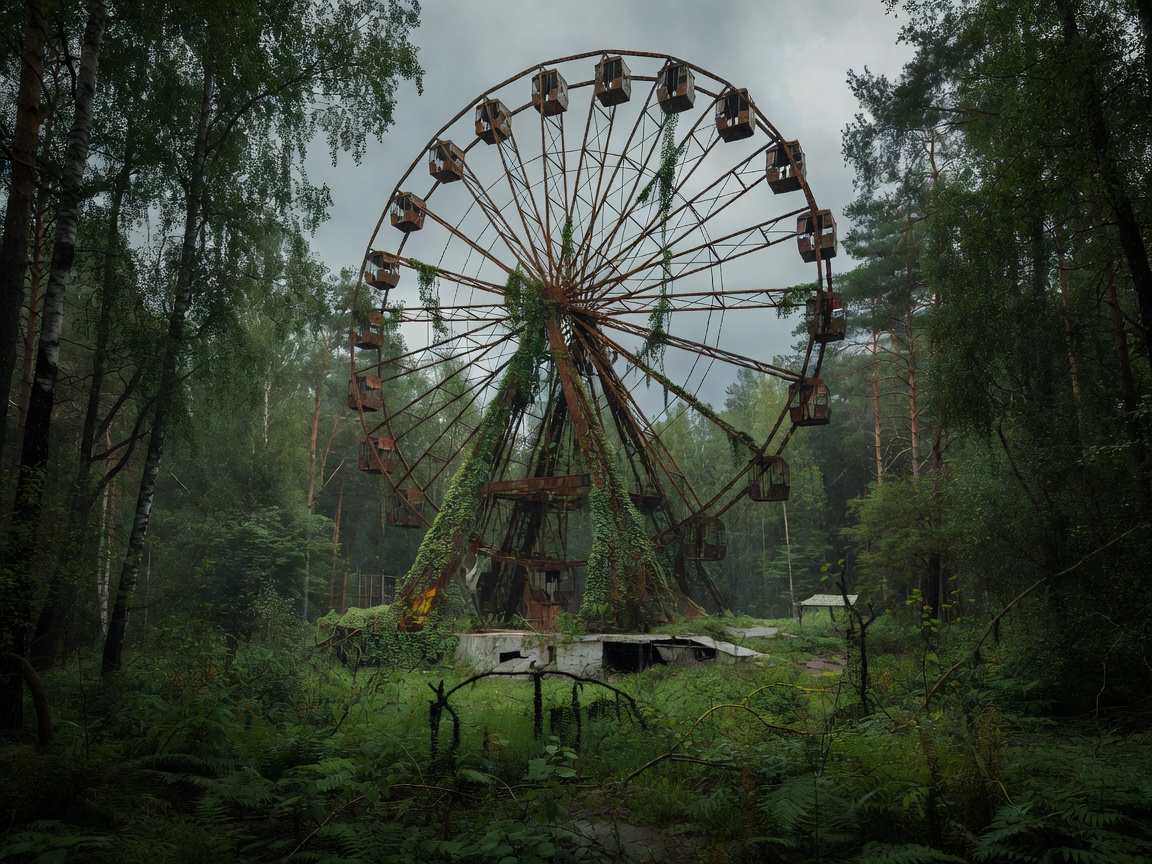
Chornobyl Exclusion Zone: Nuclear Geography and Decommissioning Realities
An analysis of the 30-kilometre exclusion zone, architectural deterioration in Pripyat, ongoing radiological monitoring, and visitor regulation frameworks.
Friendflickvaultbx is an independent editorial documentation project exploring the historical geography, preservation ethics, and conservation challenges of dark tourism sites worldwide.
An analysis of the 30-kilometre exclusion zone, architectural deterioration in Pripyat, ongoing radiological monitoring, and visitor regulation frameworks.
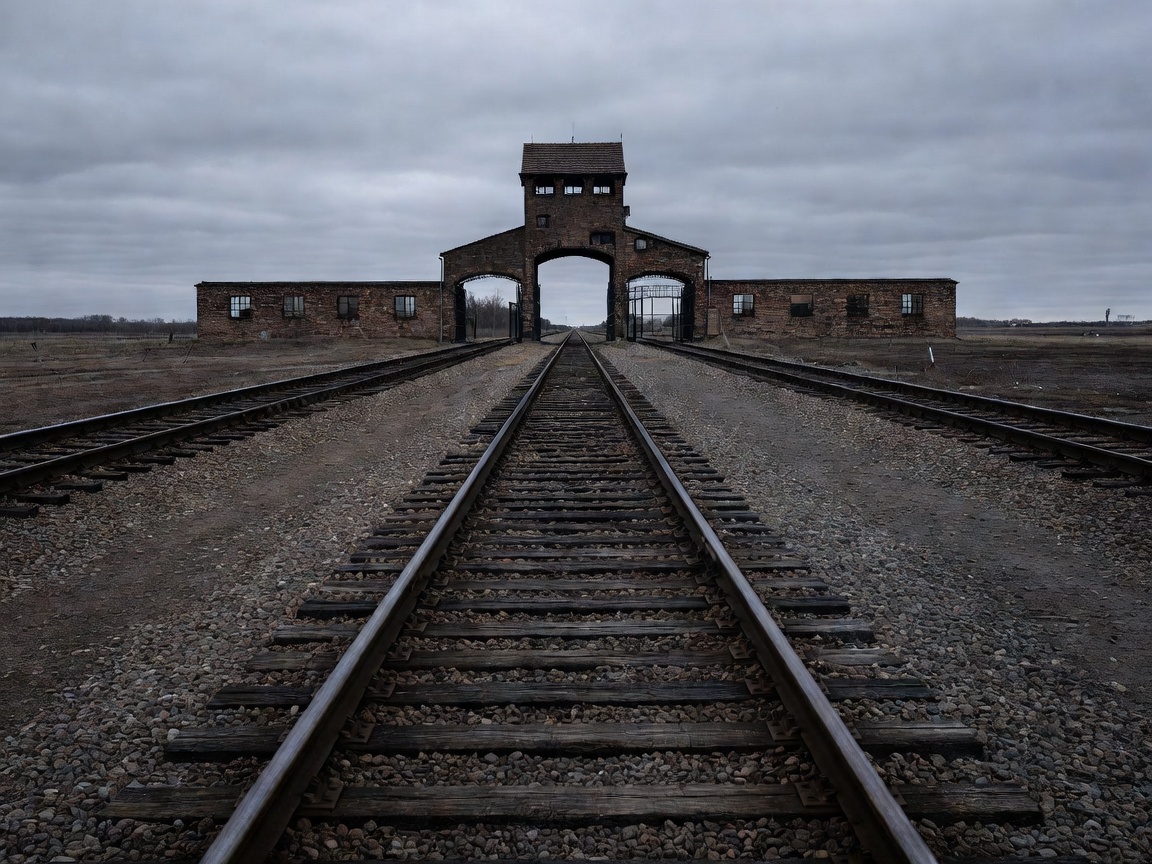
Examining the tension between mass educational visitation, structural conservation of brick barracks, and institutional codes of visitor conduct.
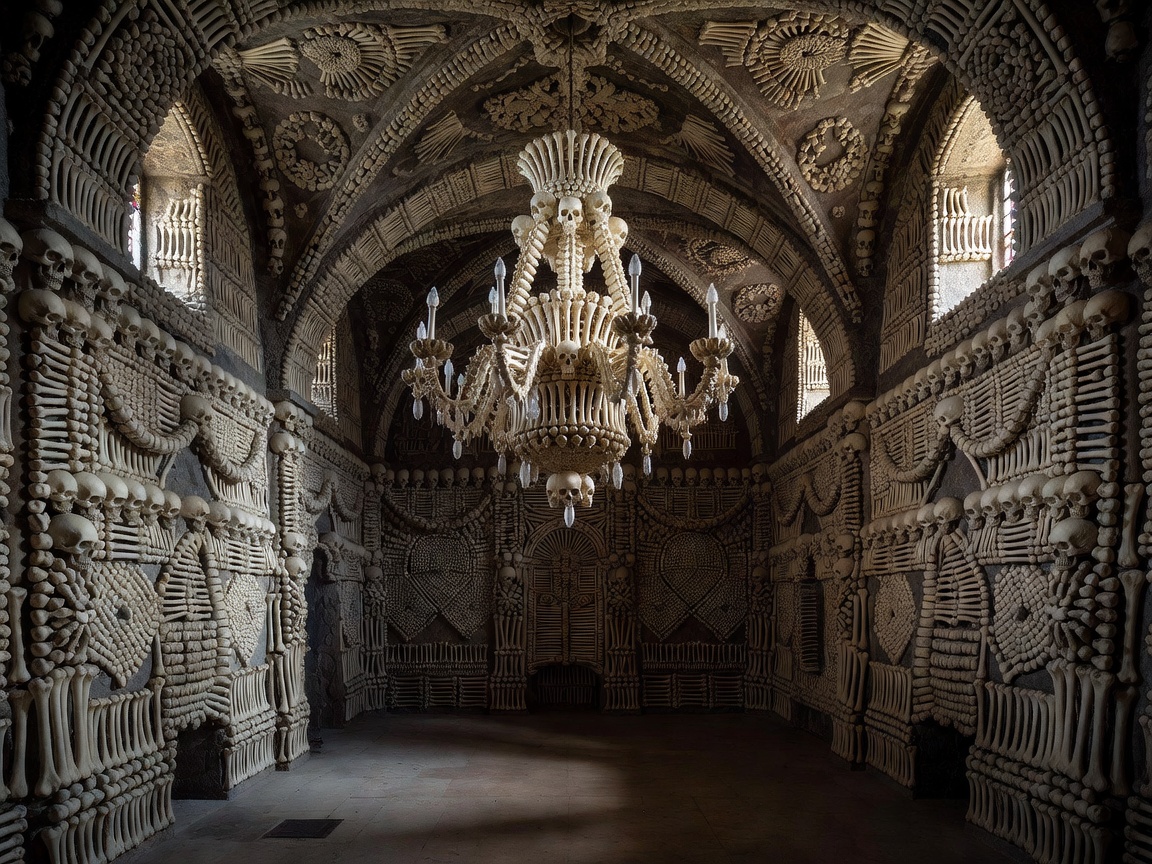
The architectural transformation of the All Saints Cemetery Chapel, microclimate challenges, and the 2020 restrictions on visitor photography.
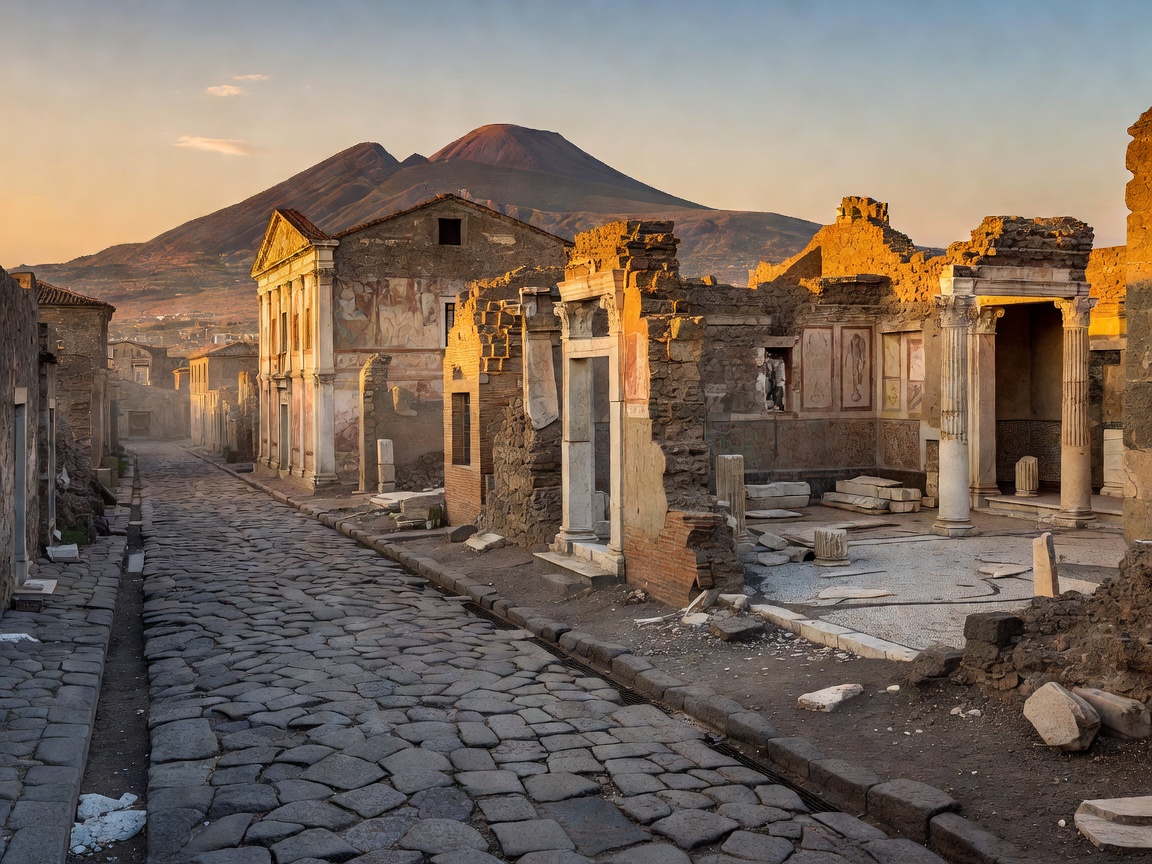
The 79 AD eruption of Mount Vesuvius, Fiorelli plaster casting methodologies, and modern hydraulic and structural stabilization in Regio V.
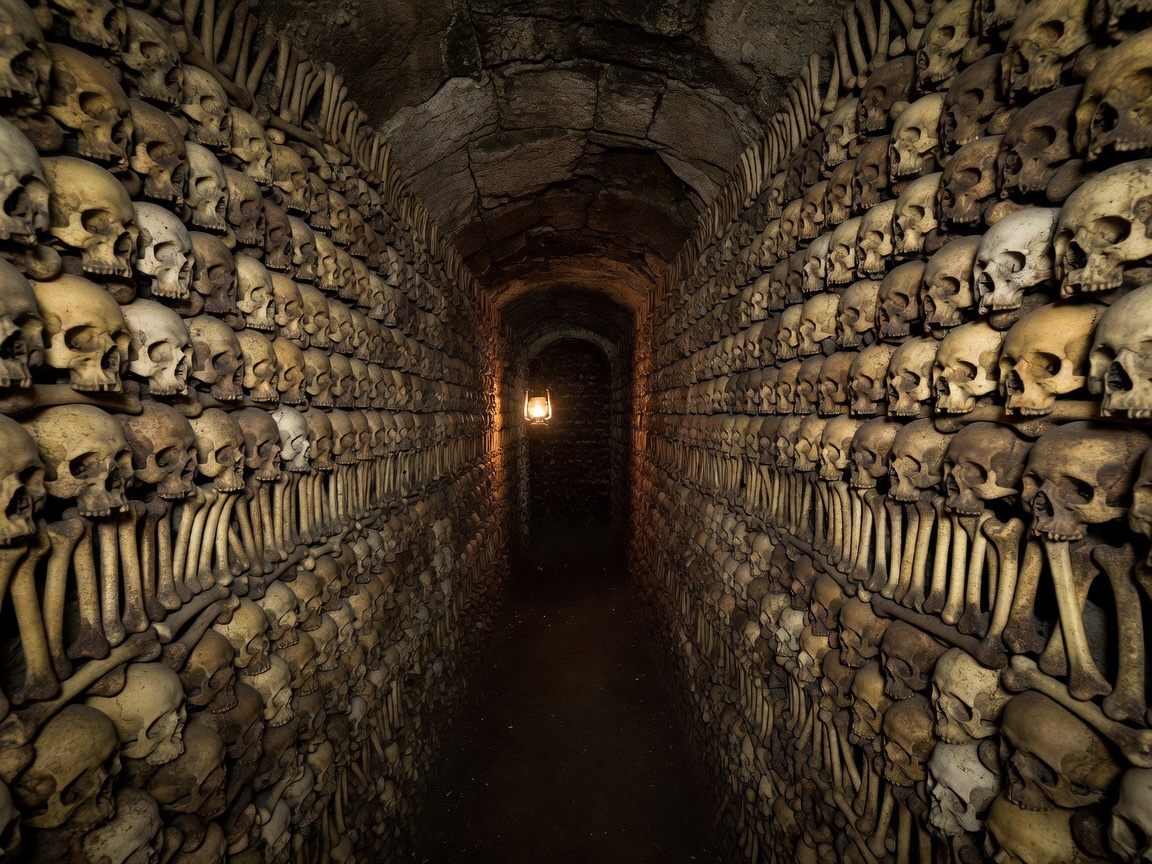
How Paris resolved eighteenth-century municipal sanitation crises by transferring six million bodies into former limestone quarries twenty metres below street level.
Academic definitions categorize dark tourism—frequently termed thanatourism or grief tourism—as the travel to sites associated with death, disaster, and historic atrocities. These places occupy a delicate intersection between educational commemoration, historical conservation, and commercial travel.
Preserving such sites requires strict operational guidelines: regulating visitor capacity, preventing structural wear on fragile masonry, mitigating biological deterioration of organic material, and enforcing reverent decorum to honour victims and displaced communities.